

Face oil has had a slightly unfair reputation. Used well, it can be one of the simplest steps in a dry or mature skin routine.
Quick answer: Facial oils can be a useful option for mature skin because they add lipids and emollience, helping skin feel softer and reducing rough, tight sensations. They do not literally add water to the skin, so some people prefer to use an oil over damp skin or alongside a moisturiser. The right amount is usually small, and the right formula should leave skin comfortable rather than greasy.
If you grew up being told that oil equals spots, putting oil deliberately on your face can feel counterintuitive. But skin changes, particularly in midlife. The product that felt far too rich at 25 may feel completely different at 50.
The trick is understanding what a facial oil can do, and what it cannot.
What does facial oil actually do?
Facial oils mainly provide lipids that soften and smooth the outer surface of the skin. Depending on the formulation, they can also help reduce water loss from the skin by adding an occlusive or semi-occlusive layer.
What oil does not contain is water. That is why someone with very dehydrated skin may prefer to apply oil to slightly damp skin or use a water-containing moisturiser as well.
For mature skin that has become drier and less comfortable, the appeal is often simple: oil can make skin feel supple again without requiring a complicated routine.
Are facial oils good for mature skin?
They can be. Mature skin commonly becomes drier, and oils can be useful for improving softness and comfort. But 'mature skin' is not a single skin type. You can be over 50 and oily, acne-prone, sensitive or living with rosacea. Choose products according to your skin rather than your age alone.
If dryness has become more noticeable during menopause, our guide to menopause and dry skin explains why this happens and what can help.
How much facial oil should you use?
Start small. You want enough oil to spread comfortably over your face and neck, without leaving a heavy layer sitting on the surface.
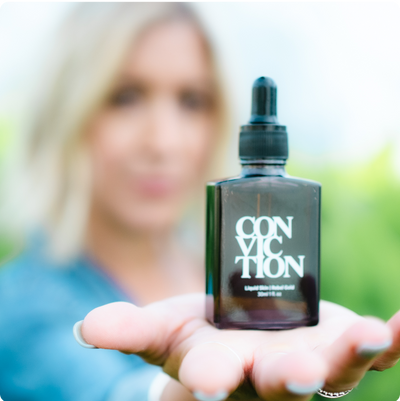
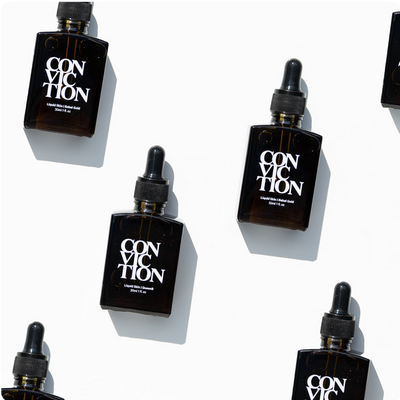
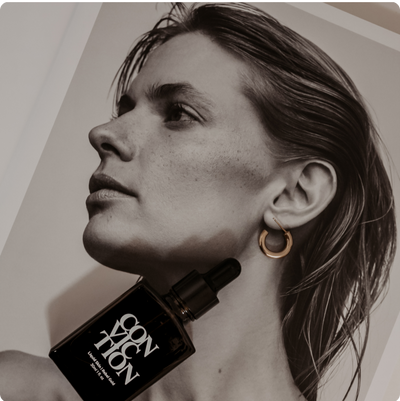
Conviction recommends around five to seven drops as a guide, but your skin may want less or more. If the oil is still sitting heavily on the surface long after application, try using less next time.
Why apply facial oil to damp skin?
Applying to slightly damp skin helps spread a small amount of oil more easily and means there is water at the skin surface before you add the oil. This can leave dry skin feeling more comfortable.
Damp does not mean dripping wet. After cleansing, lightly pat the skin so it is no longer wet, then apply your oil.
Face oil or moisturiser: which is better?
They are not exactly the same job. Most moisturisers contain a combination of water, humectants, emollients and occlusive ingredients. Oils are anhydrous and mainly provide emollient lipids and varying degrees of occlusion.
Some people love using oil alone. Others get better results from moisturiser plus oil. There is no prize for using fewer products if your skin is uncomfortable, and no prize for using more if it is not necessary.
If using both, a practical approach is to apply your water-based or treatment products first, then moisturiser, then a small amount of oil if you want extra richness. Product instructions can vary, so follow any treatment directions you have been given.
Can you wear sunscreen over facial oil?
Yes. Let the oil settle, then apply your sunscreen as the final skincare step before makeup.
The important thing is that the oil does not encourage you to use less sunscreen than directed. If your sunscreen pills or slides, reduce the amount of oil or allow a little more time between layers.
What makes Conviction's oils different?
Conviction keeps the ritual deliberately simple, but the oils themselves take time. We make them in small batches using a 12-week infusion process rather than trying to build a 12-step routine.
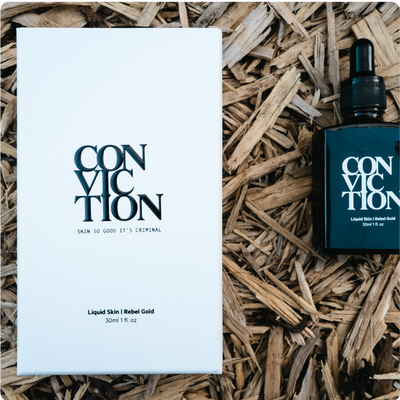
Rebel Gold is our morning facial oil. It features jojoba infused with New Zealand-grown raw turmeric.
QueenB is our evening facial oil, featuring jojoba infused with native kānuka.
The AM and PM format makes the routine easy to remember and gives each formula its own place in the day.
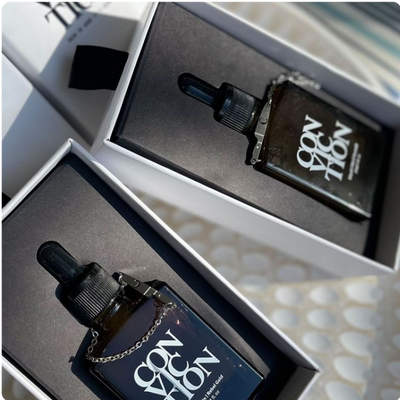
If you are unsure whether oils will suit you, our Mini Ritual Set is designed as a lower-commitment way to try the routine before buying full size.
How to use facial oil
-
Cleanse gently.
-
Leave skin slightly damp, or apply any water-based treatment or moisturiser first.
-
Start with a small number of drops.
-
Warm the oil between fingertips and press or smooth over the face and neck.
-
In the morning, finish with sunscreen.
-
Adjust the amount rather than assuming more oil means more benefit.
Common questions about facial oils
Can I use facial oil every day?
Yes, if your skin tolerates it and enjoys it. Some people use oil morning and night, while others use it only in the evening or during drier weather.
Can I use face oil if I am acne-prone?
Possibly, but acne-prone skin varies. Choose formulas carefully and introduce them gradually. If you have persistent or significant acne, a dermatologist can help you build a routine around evidence-based acne treatment.
Does facial oil replace moisturiser?
It can for some people, but not for everyone. If oil alone leaves your skin comfortable, that may be enough for you. If you still feel tight or dehydrated, use a moisturiser as well.
How long does facial oil take to work?
The softening effect can be noticeable quickly, but longer-term changes in how skin looks and feels depend on the rest of your routine, your skin and consistent use. Be wary of any cosmetic promising to transform mature skin overnight.


0 comments