

If your skin suddenly feels tight, rough or thirsty, it may need a different kind of care than it did ten years ago.
Quick answer
Dry skin is a common complaint during and after menopause. Lower oestrogen levels can affect hydration, sebum, ceramides and collagen, while ageing skin also tends to hold less water. Gentle cleansing, regular moisturising, facial oils where they suit your skin, and sun protection can make skin feel much more comfortable.
There is dry skin, and then there is the kind of dry skin that seems to arrive in midlife and ignores everything that used to work. Foundation catches in places it never did. Skin feels tight after cleansing. Fine lines look more obvious by the end of the day. Sometimes there is itching or flaking as well.
This is common, but it is not something you simply have to put up with.
Why can menopause make skin drier?
Oestrogen helps support several processes involved in healthy skin, including hydration and the production of substances such as sebum, ceramides and hyaluronic acid. As oestrogen levels decline around menopause, the skin can become less efficient at retaining moisture. At the same time, normal ageing brings changes in the skin barrier and collagen.
The result can be skin that feels thinner, drier, less supple and more easily irritated.
Other factors can pile on. Cold weather, indoor heating, hot showers, foaming cleansers, over-exfoliation, some medications and underlying conditions can all contribute to dryness.
For more information on how menopause affects the skin, see DermNet NZ's guide to menopause and the skin.
What actually helps menopausal dry skin?
1. Make cleansing less aggressive
Clean skin does not need to feel squeaky. If your face feels tight immediately after washing, your cleanser or cleansing routine may be too much for your skin now. Choose a mild cleanser, use lukewarm rather than very hot water, and avoid scrubbing.
2. Moisturise before skin feels desperate
Moisturisers work partly by helping reduce water loss from the skin. Applying them to slightly damp skin can be useful because there is water at the surface to trap. Creamier formulas are often more comfortable than very light gels once skin becomes consistently dry.
3. Consider a facial oil for extra softness
A facial oil can help soften the surface of dry skin and reduce the feeling of roughness or tightness. Oils are not a source of water, so very dehydrated skin may still benefit from a moisturiser underneath. Some people, however, find a well-formulated oil is all they want or need. Skin is individual.
Not sure whether to use an oil or moisturiser? Our guide to facial oils for mature skin explains the difference and how to use them together.
4. Stop chasing every active ingredient
If you are using a retinoid, vitamin C, exfoliating acids, scrubs and several serums at once, irritation can masquerade as 'dry ageing skin'. Keep the products that earn their place and remove the ones that leave you stinging, peeling or chronically tight.
5. Take sun protection seriously
UV exposure contributes to premature skin ageing and pigmentation. Use a broad-spectrum sunscreen appropriate for your skin and the UV conditions, and combine it with shade, hats and other sun-smart habits.
Why does my skin still feel dry after moisturising?
If you're moisturising regularly but your skin still feels tight, a few things are worth checking:
- Your cleanser: Does your skin feel tight immediately after washing? Try a gentler cleanser and lukewarm water.
- Your exfoliation routine: Too many acids, scrubs or active ingredients can leave skin feeling irritated.
- Your moisturiser: A lightweight lotion might not provide enough comfort if your skin has become very dry.
- Your environment: Cold weather, heating and long hot showers can all contribute to dryness.
If dryness is persistent, painful or accompanied by significant itching or inflammation, seek advice from a health professional.
Dry versus dehydrated skin: is there a difference?
The terms are often used interchangeably in beauty marketing, but they describe slightly different ideas. Dry skin generally lacks enough surface lipids or oil. Dehydrated skin refers to low water content in the outer layer of skin. You can have both at once, which is common in midlife.
That is why some women do well with a combination of a water-containing moisturiser plus an oil, rather than expecting one product to do every job.
A very simple routine for dry menopausal skin
- AM: rinse or gently cleanse, moisturise and/or apply a few drops of facial oil, then sunscreen.
- PM: gently cleanse, use any tolerated treatment product, then moisturise and/or facial oil.
- When skin is irritated: strip the routine back rather than adding more.
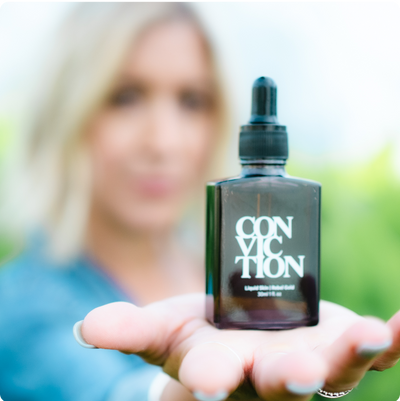
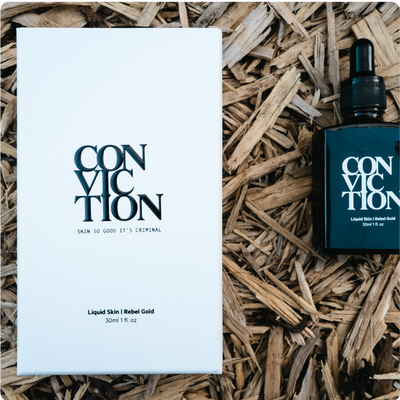
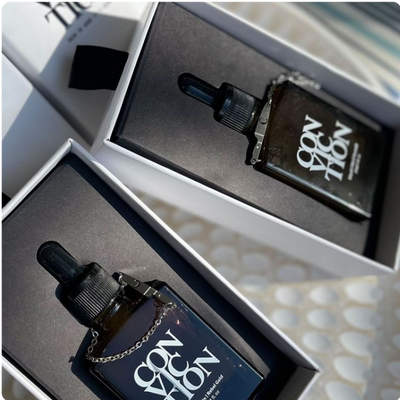
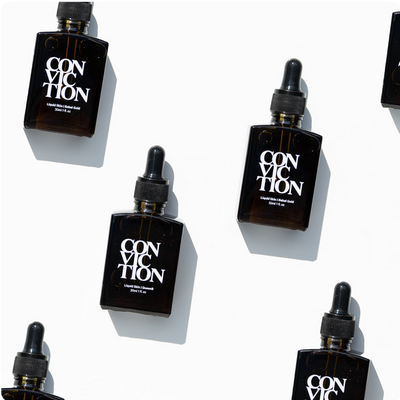
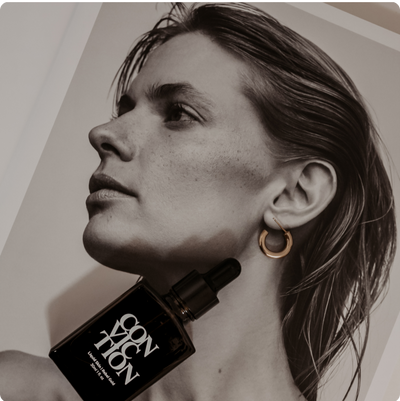
Conviction’s own routine is intentionally minimal. Our unDirty Cleanser is used with a face cloth, followed by Rebel Gold in the morning and QueenB in the evening. We recommend applying a small amount to damp skin and adjusting the number of drops to suit your skin.
If you're noticing changes before menopause, read our guide to perimenopause skin and how to care for it.
Common questions about menopause and dry skin
Why has my skin become dry after 50?
Ageing skin naturally holds less moisture, and the hormonal changes of menopause can add to that. Cleansing habits, climate, medications and medical conditions can also contribute.
Is facial oil enough for very dry skin?
For some people, yes. For others, no. Oils mainly provide lipids and emollience. If your skin still feels tight, try a moisturiser underneath or alongside your oil. The best routine is the one that leaves your skin comfortable and does not irritate it.
Should I apply face oil to wet or dry skin?
Slightly damp skin is a good starting point. Water provides hydration at the surface and the oil can help soften the skin and reduce moisture loss. Avoid dripping-wet skin, which can make application uneven.
Can very dry skin be a medical issue?
Yes. Persistent or severe dryness and itch can be associated with eczema, thyroid disease, medications and other conditions. If dryness is new, severe, widespread, cracked, inflamed or not improving with basic care, speak with your GP or dermatologist.
- Written by Gemma Ede, Founder of CONVICTION


0 comments