

When the skincare that worked for years suddenly stops working, hormones may be part of the picture.
Quick answer
Perimenopause can change the way skin feels and behaves. Fluctuating and eventually declining oestrogen can contribute to dryness, changes in oil production, sensitivity and loss of firmness. The answer is not automatically more products. A gentle cleanser, good moisturising support, daily sun protection and a routine your skin tolerates consistently are a strong place to start.
One of the strange things about perimenopause is that your skin can seem to change before you have connected the dots. The cleanser you have used for years suddenly feels too stripping. Your cheeks feel tight by lunchtime. You might be dry and spotty at the same time, or notice flushing, itching or sensitivity that was never an issue before.
That does not mean every skin change in your 40s is hormonal. It does mean that perimenopause is worth considering when your skin starts behaving differently alongside other changes in your cycle or body.
What happens to skin during perimenopause?
Perimenopause is the transition leading up to menopause and can last for several years. During this time, hormone levels fluctuate. Oestrogen has an important relationship with skin hydration, collagen, sebum and other components of the skin barrier, so hormonal change can show up on the face as well as elsewhere in the body.
You may notice:
- Skin that feels drier, tighter or less comfortable than it used to.
- More sensitivity to products, fragrance, exfoliation or strong active ingredients.
- A change in oiliness or occasional adult breakouts, sometimes alongside dryness.
- More visible fine lines as skin becomes drier and collagen gradually declines.
- Flushing or redness that seems easier to trigger.
- Changes in pigmentation or a more uneven-looking skin tone.
If flushing or redness is becoming more noticeable, read our guide to rosacea-prone skin. For dark spots or uneven tone, see our midlife pigmentation guide
There is no single 'perimenopause skin type'. Some women become much drier. Others are still oily through the T-zone. Some develop acne, rosacea or eczema, while others mainly notice that their skin looks a little duller and feels less resilient.
If dryness becomes your biggest concern, our guide to menopause and dry skin explains why it happens and what can help.
The best first move is often to simplify
When skin becomes unpredictable, it is tempting to throw more at it. New acids, retinoids, scrubs, brightening serums and masks can quickly turn one problem into several if your skin barrier is already irritated.
A simpler routine makes it easier to work out what your skin actually likes. Start with the basics and add targeted products only if you need them.
A simple perimenopause skincare routine
Morning
- Rinse or cleanse gently, depending on how your skin feels.
- Apply moisturiser and/or a facial oil if your skin needs more comfort and softness.
- Finish with broad-spectrum sunscreen. In New Zealand, sun protection is especially important when UV levels are high.
Evening
- Remove sunscreen, makeup and the day with a gentle cleanser. Avoid scrubbing.
- Use any treatment product your skin already tolerates.
- Finish with moisturiser, facial oil, or both, depending on your skin and the products you use.
If your skin is dry or sensitive, applying moisturising products while the skin is still slightly damp can help trap water at the surface. Facial oils can be useful for adding emollience and reducing that tight, papery feeling, but they do not replace the water component of a moisturiser for everyone.
Do you need 'menopause skincare'?
Not necessarily. Your skin does not require a product simply because it has the word menopause on the label. What matters is whether the formula suits what your skin is doing now.
Look for products that are comfortable, easy to use and realistic enough to use consistently. If your skin is becoming dry or reactive, gentleness usually matters more than having a complicated anti-ageing routine.
Where Conviction fits
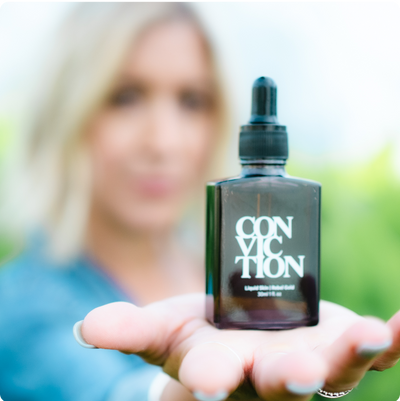
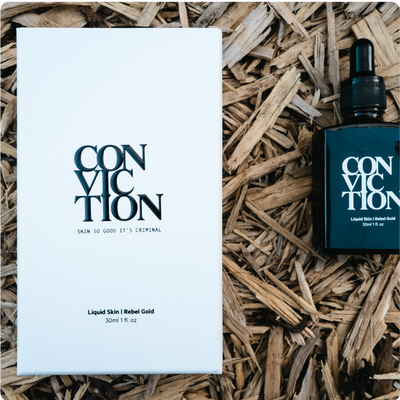
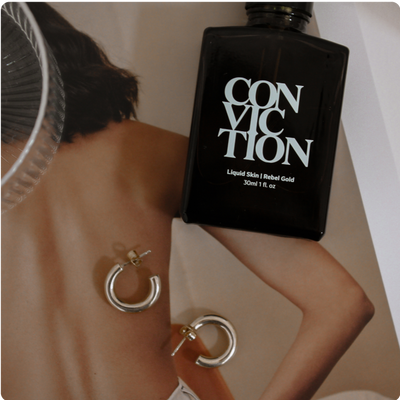
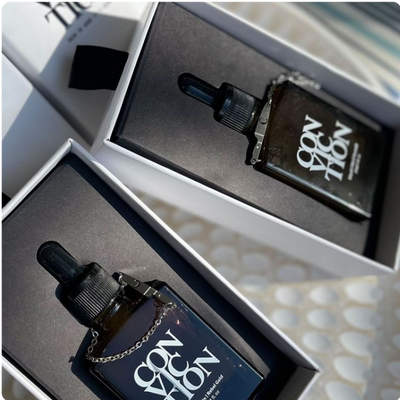
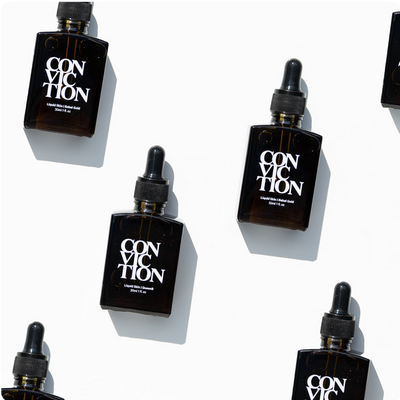
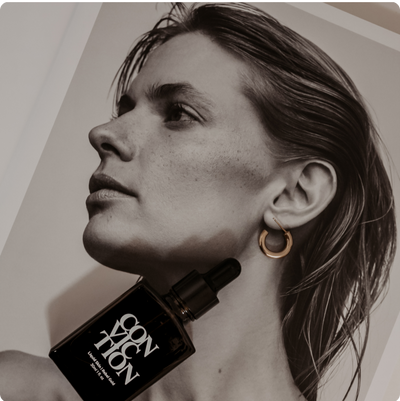
Conviction was created around a deliberately simple approach to midlife skin: gentle cleansing and two facial oils, one for morning and one for evening. Rebel Gold is our AM oil, made with jojoba infused for 12 weeks with New Zealand-grown turmeric. QueenB is our PM oil, made with jojoba infused with native kānuka.
They are cosmetic skincare products, not treatments for hormonal conditions. The reason many midlife women like facial oils is much simpler: a few drops can make dry, tight skin feel softer and more comfortable without adding another five steps to the bathroom shelf.
Common questions about perimenopause skin
Can perimenopause suddenly make my skin dry?
It can contribute. Hormonal changes can affect the skin’s ability to hold water and maintain its lipid barrier. Weather, heating, medications, cleansing habits and skin conditions can also cause dryness, so persistent or severe changes are worth discussing with a health professional.
Dry skin and dehydrated skin aren't quite the same thing. Dry skin generally produces less oil, while dehydrated skin lacks water. You can experience both at once, which is why a moisturiser and facial oil may play different roles in your routine.
Why am I getting spots and dry skin at the same time?
Hormonal shifts can affect oil production and breakouts while the skin barrier is also becoming drier or more sensitive. Avoid assuming you need to 'dry out' the acne. Harsh cleansing and aggressive exfoliation can make irritated skin feel worse.
Should I stop using retinol or acids in perimenopause?
Not automatically. If your skin tolerates them well, there may be no reason to stop. If you are suddenly stinging, peeling or feeling persistently tight, reduce the frequency or pause irritating products and rebuild a simple routine. A dermatologist can help if you want to use active ingredients but your skin has become reactive.
When should I see a dermatologist?
Seek professional advice for a new or changing mole or lesion, persistent rash, significant acne, ongoing itching, marked redness, painful skin, or any change that is worrying you. Not every midlife skin change should be put down to hormones.
- Written by Gemma Ede, Founder of CONVICTION


0 comments