

When redness and reactivity join the midlife mix, boring skincare can be a very good thing.
Quick summary: Rosacea is a chronic inflammatory skin condition that can cause flushing, persistent redness, visible blood vessels and sometimes bumps or eye symptoms. Menopausal flushing may aggravate rosacea in some people. Skincare cannot cure rosacea, but a gentle routine, regular moisturising, sun protection and avoiding personal triggers can help reduce unnecessary irritation.
Red cheeks after a glass of wine or a hot room are one thing. Redness that lingers, repeated flushing, burning, visible small blood vessels or acne-like bumps may be something else.
Rosacea often needs proper diagnosis and, for some people, medical treatment. If you suspect you have it, a GP or dermatologist is the right person to confirm what is going on. The skincare part is about supporting your skin rather than trying to 'treat' rosacea with cosmetics.
Why can rosacea feel more noticeable in midlife?
Rosacea can occur at different ages, but midlife brings a few extra variables. Menopausal hot flushes can worsen facial flushing. Skin may also become drier or more sensitive, making products that once felt fine suddenly sting.
Triggers are individual. Common ones can include sun, heat, cold, exercise, spicy food, alcohol and irritating cosmetics. A trigger diary can be useful if you are struggling to see a pattern.
If you've noticed other changes in your skin alongside hormonal shifts, our guide to perimenopause skin explains why skin can become more sensitive or unpredictable during this stage of life.
The gentler routine
Cleanse without scrubbing
Use a mild cleanser and lukewarm water. Avoid aggressive rubbing, facial brushes and rough exfoliation. If you use a face cloth, keep the pressure light and let the cleanser do the work.
Moisturise regularly
Rosacea-prone skin can also be dry. A simple moisturiser can improve comfort and support the skin barrier. Introduce any new product one at a time so you can tell what your skin likes.
If dryness is becoming a bigger concern, you might also find our guide to menopause and dry skin useful.
Be cautious with exfoliation
Scrubs and strong exfoliating products can be irritating. If you use an acid or retinoid, start carefully and stop if your skin becomes persistently red, sore or inflamed. Medical treatments prescribed for rosacea should take priority over a cosmetic routine.
Use sun protection
Sun exposure is a common rosacea trigger. DermNet NZ recommends broad-spectrum SPF 30 or higher, and notes that mineral sunscreens containing zinc oxide or titanium dioxide may be better tolerated by some people.
The best sunscreen is still one that your own skin tolerates and that you use correctly.
Patch test when you are unsure
There is no product that is guaranteed to suit every sensitive or rosacea-prone face. Patch testing can reduce surprises. Try a small amount first and build up slowly rather than covering your whole face with a new formula on day one.
Can you use facial oil with rosacea-prone skin?
Potentially, yes, but the answer depends on the person and the formula. An oil can help soften dry skin, but 'natural' does not automatically mean non-irritating. Botanical ingredients can still cause reactions in some people.
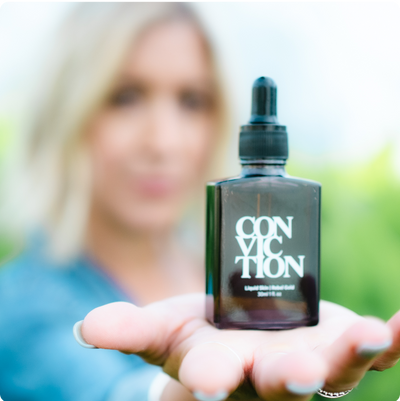
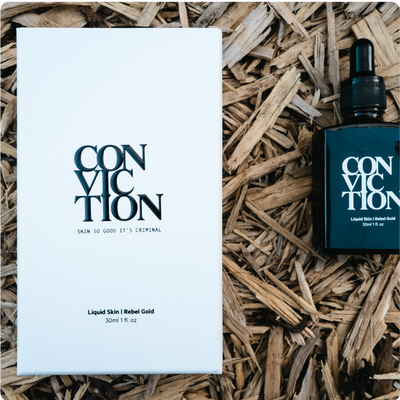
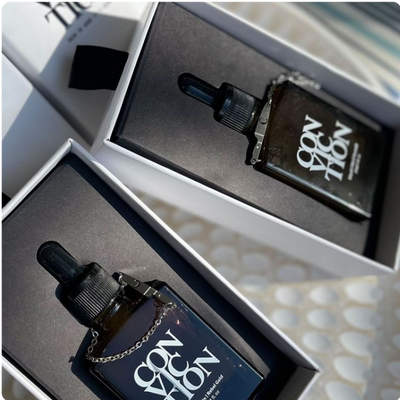
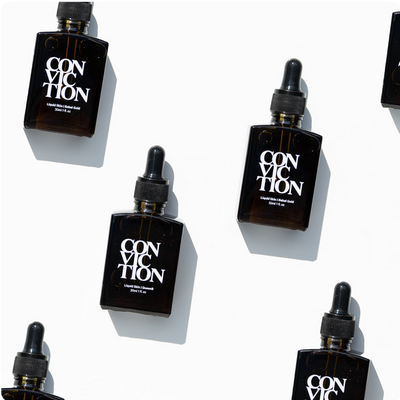
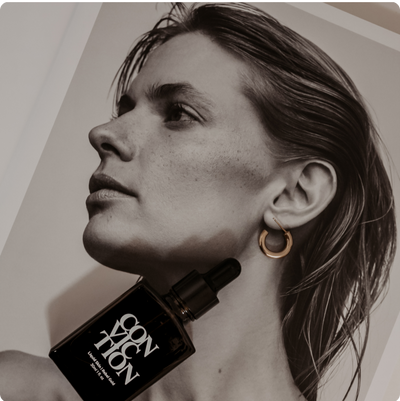
If you want to try Conviction and you have rosacea-prone or very sensitive skin, we recommend patch testing first and introducing one product at a time. Stop if you experience persistent burning, swelling, rash or worsening irritation.
If you are under the care of a dermatologist, check how any new cosmetic product fits around your treatment plan.
For a broader approach to keeping your routine simple, read our guide to skincare over 50. For a better understanding of what oils do and how to introduce them, see our guide to facial oils for mature skin.
What not to do
- Don't scrub redness away. It won't work and may increase irritation.
- Don't assume every red face is rosacea. Eczema, dermatitis, acne and other conditions can look similar.
- Don't keep using a product that repeatedly burns or stings just because it's marketed for sensitive skin.
- Don't rely on skincare alone if symptoms are persistent or affecting your eyes.
Common questions about rosacea-prone skin
Can menopause make rosacea worse?
Menopausal flushing can exacerbate rosacea in some people. Hormonal change is not the only trigger, however, and individual patterns vary.
Are facial oils bad for rosacea?
Not inherently. Some people with dry, rosacea-prone skin enjoy oils, while others react to particular ingredients. Formula, individual sensitivity and patch testing matter more than the category name.
Should rosacea-prone skin exfoliate?
Be cautious. DermNet advises avoiding exfoliants as part of general rosacea skincare. If you want to use an exfoliating active, discuss it with a dermatologist, particularly if your rosacea is active.
When should I get medical advice?
See a health professional if redness is persistent, painful or worsening, if you have bumps or pustules you cannot explain, or if your eyes are gritty, red, sore or light-sensitive. Eye involvement can occur with rosacea and deserves assessment.


0 comments