

Good skincare after 50 does not need to mean more skincare.
Quick answer
A good skincare routine over 50 can be surprisingly simple: cleanse gently, keep skin well moisturised, use broad-spectrum sun protection, and add targeted treatments only for concerns you genuinely want to address. Consistency usually matters more than a crowded shelf.
By 50, many of us have accumulated a lot of skincare advice. Cleanse twice. Double cleanse. Exfoliate. Tone. Add an essence. Use vitamin C. Retinol. Peptides. Acids. Eye cream. Neck cream. Then somehow fit sunscreen and makeup on top.
You are allowed to opt out.
Mature skin often benefits from a routine that respects the skin barrier and focuses on a few jobs done well. If you enjoy a longer routine and your skin loves it, carry on. But more products are not automatically better, and irritation from overdoing it can make skin look and feel worse.
What changes in skin after 50?
There is no birthday when skin suddenly becomes 'mature'. The changes are gradual and influenced by genetics, sun exposure, hormones, health and lifestyle. Around perimenopause and menopause, many women notice more dryness, reduced firmness, finer or deeper lines, increased sensitivity and changes in pigmentation.
That changes the goal. Instead of trying to make 50-year-old skin behave like 25-year-old skin, good skincare can focus on keeping it comfortable, protected and healthy-looking.
If dryness has become a particular concern, explore our guide to menopause and dry skin. If you're still navigating hormonal changes before menopause, our perimenopause skincare guide is a useful place to start.
The four things worth getting right
1. Gentle cleansing
The job of a cleanser is to remove makeup, sunscreen, sweat and grime without leaving your face feeling stripped. Mild cleansing is particularly useful if your skin has become dry or reactive. You may not need a full cleanse every morning if your skin feels better with a rinse.
2. Moisture and barrier support
Mature skin tends to become drier. A moisturiser, facial oil, or a combination of the two can help reduce roughness and improve comfort. Apply to slightly damp skin when practical.
Wondering where oil fits into your routine? Learn how to use facial oils for mature skin.
3. Sun protection
If there is one step that earns its place, it is sun protection. UV exposure contributes to wrinkles, loss of firmness, uneven pigmentation and skin cancer risk. Choose a sunscreen you will actually wear and use it properly, alongside shade and protective clothing.
4. One targeted concern at a time
If you want to address pigmentation, acne, texture or lines, choose a targeted ingredient or professional treatment rather than adding five new products at once. Introduce new actives gradually, especially if your skin is sensitive.
If uneven tone is your main concern, our guide to pigmentation in midlife explains the different causes and what can help.
A simple skincare routine for women over 50
Morning: protect and support
- Rinse or cleanse gently.
- Use moisturiser and/or facial oil according to how dry your skin feels.
- Apply broad-spectrum sunscreen as your final skincare step before makeup.
Evening: remove and replenish
- Cleanse gently to remove sunscreen and makeup.
- Apply any treatment product you use and tolerate.
- Finish with moisturiser, facial oil, or both.
That is enough for a legitimate skincare routine. Everything else is optional.
What about retinol, vitamin C and acids?
These ingredients can have a place in mature skincare, but they are not compulsory. Retinoids can help with some signs of photoageing and acne. Certain vitamin C products and other ingredients may help with uneven tone. Exfoliating acids can smooth the surface of the skin.
They can also irritate, particularly when stacked together. If your skin is comfortable and you want to introduce an active, start slowly and follow the product directions. If your skin is constantly stinging, peeling or inflamed, that is not a badge of honour.
For more advice on caring for skin in your 40s and 50s, check out the American Academy of Dermatology's skincare recommendations.
The case for doing less
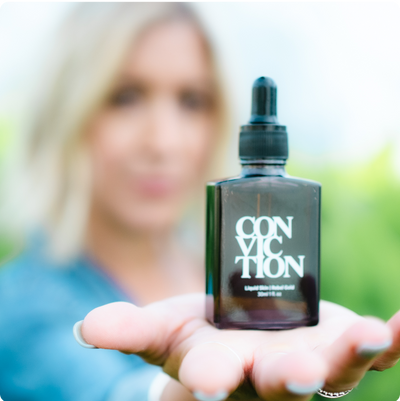
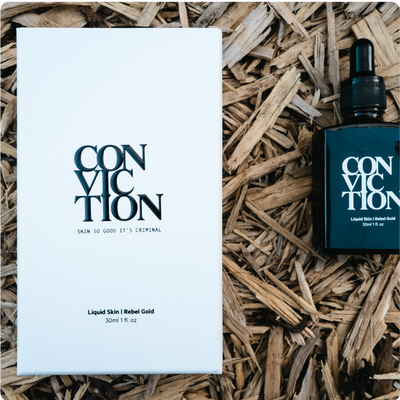
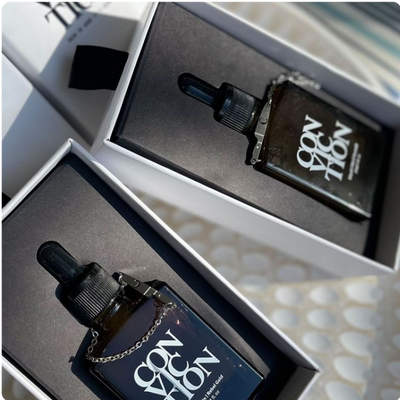
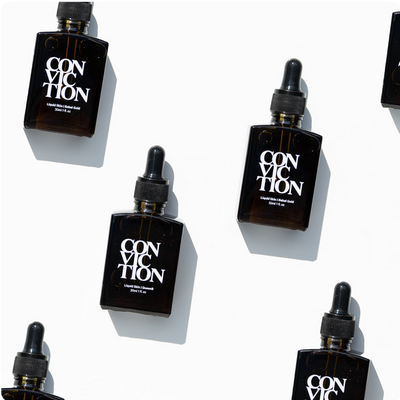
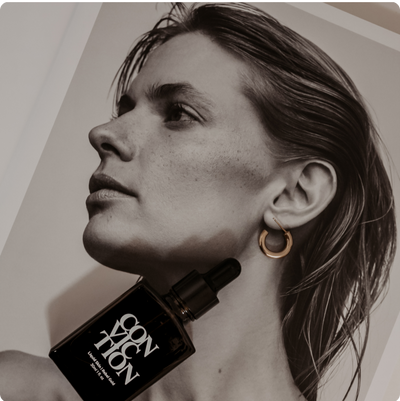
Conviction was built around the idea that midlife skincare can be effective, pleasurable and uncomplicated. Our core ritual is a face cloth, a cleanser and two oils. Rebel Gold is used in the morning and QueenB at night. Sunscreen sits over the top during the day.
We are not suggesting every woman needs exactly the same routine. We are suggesting that a routine should have a reason for every step. If a product does not improve how your skin feels, looks or functions for you, it may not deserve permanent shelf space.
Common questions about skincare over 50
What is the most important skincare product after 50?
There is no single magic product, but sun protection and moisturising are foundational. AAD dermatologists consistently recommend sunscreen and moisturiser as key parts of an ageing-skin routine.
Do I need a separate eye cream after 50?
Not necessarily. Some people like the texture or targeted ingredients of an eye product, but a separate eye cream is not compulsory. Use products around the eyes only if they are suitable for that area and do not irritate you.
Is it too late to improve my skin at 50 or 60?
No. You cannot erase normal ageing, nor do you need to, but gentle care, moisturising and sun protection can improve comfort and appearance at any age. Dermatology treatments can address specific concerns if you want to go further.
How many skincare products should a woman over 50 use?
There is no ideal number. A basic routine can be three or four steps. The better question is whether each product has a purpose and whether your skin tolerates the routine consistently.
- Written by Gemma Ede, Founder of CONVICTION


0 comments