

Uneven tone is incredibly common in midlife, but 'pigmentation' is not one single thing.
Quick answer: Pigmentation in midlife can have several causes, including cumulative sun exposure, melasma and marks left after inflammation. Hormones can influence melasma, but not every brown spot is hormonal. Daily sun protection is one of the most important steps, while persistent or changing pigmentation should be properly assessed before you try to treat it.
Pigmentation is one of those words that gets used to describe almost every brown mark on the face. In reality, the freckle-like spots on your cheeks, a patch of melasma and a mark left behind after a breakout are not necessarily the same thing.
That matters because the right approach depends on what you are actually looking at.
Why does pigmentation become more noticeable in midlife?
For many of us, it is partly cumulative. Years of UV exposure can show up later as solar lentigines, often called sun spots or age spots. Hormones can also influence melasma, a condition that typically causes symmetrical patches of pigmentation on the face.
Melasma is complex. Sun and visible light can stimulate pigment, genetics play a role, and hormonal factors such as pregnancy, hormonal contraception and hormone replacement therapy can be involved in some people.
Inflammation is another route to pigmentation. A spot, rash, irritation or injury can leave a darker mark behind, particularly in skin tones that pigment easily.
Hormonal changes can also affect other aspects of your skin. Our guide to perimenopause skin explains why dryness, sensitivity and changes in skin texture can appear alongside pigmentation.
First, work out what kind of pigmentation you have
Before buying a cabinet of brightening products, consider getting persistent pigmentation assessed. A dermatologist can distinguish melasma, sun spots, post-inflammatory pigmentation and other causes, and recommend treatment accordingly.
Here are three common types of pigmentation:
- Sun spots (solar lentigines): Usually distinct brown spots associated with cumulative UV exposure.
- Melasma: Often appears as larger, relatively symmetrical patches, particularly on the cheeks, forehead or upper lip.
- Post-inflammatory pigmentation: Darker marks that can remain after acne, a rash or other skin inflammation.
These descriptions can help you understand the differences, but they aren't a substitute for a diagnosis.
A new or changing pigmented lesion should not simply be treated as a cosmetic dark spot. In New Zealand, where UV exposure is significant, anything new, changing, irregular, bleeding, itching or otherwise concerning deserves medical assessment.
Sun protection is the unglamorous hero
If pigmentation bothers you, sun protection is not the optional part of the routine. UV exposure can deepen existing pigmentation and encourage new pigment formation.
For melasma specifically, DermNet NZ recommends year-round, very high broad-spectrum protection and notes that visible light can also contribute. Tinted sunscreens containing iron oxides may provide additional visible-light protection for people managing melasma.
No brightening serum can compensate for repeatedly exposing pigment-prone skin to high UV without protection.
What skincare ingredients can help?
There are cosmetic and prescription ingredients used for uneven pigmentation, but the best choice depends on the diagnosis and your skin tolerance.
Options used in pigmentation care can include retinoids, vitamin C, azelaic acid and other pigment-targeting ingredients. Prescription treatments for melasma may include hydroquinone-based combinations under appropriate medical guidance.
The important point is not to attack pigmentation so aggressively that you create irritation. Inflammation itself can worsen pigmentation in some skin types.
If your skin has become more sensitive with age, our guide to skincare over 50 covers how to keep your routine simple without adding unnecessary products.
Where do facial oils fit?
A facial oil is not a substitute for sunscreen or a medical pigmentation treatment. Its role is supportive. If your skin is dry or easily irritated, an oil can help with softness and comfort while you keep the rest of the routine simple.
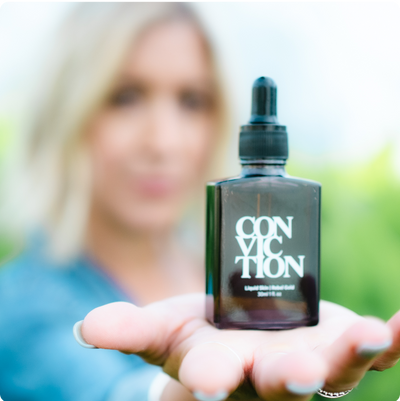
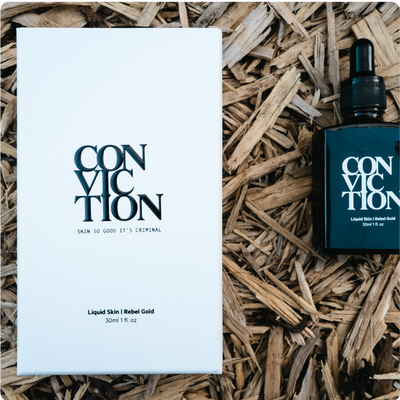
Conviction customers sometimes tell us that their skin looks more even or show us changes in before-and-after photographs. We love hearing those experiences, but we do not position our oils as a treatment for melasma or pigmentation. Individual cosmetic results vary, and persistent pigmentation is worth assessing properly.
If dryness is one of your main concerns alongside pigmentation, our article on menopause and dry skin explains how moisturisers and facial oils can support skin comfort.
Our facial oils for mature skin guide explains how oils support skin comfort and where they fit alongside moisturiser.
A sensible routine for pigmentation-prone midlife skin
- Morning: Gently cleanse or rinse, apply any tolerated treatment product, use moisturiser and/or facial oil, then finish with broad-spectrum sunscreen.
- During the day: Use hats, shade and other sun protection, and reapply sunscreen as appropriate.
- Evening: Cleanse gently, use a targeted pigmentation product if it suits your skin, then moisturise and/or apply facial oil.
- When introducing new products: Add one active at a time. Irritated skin does not need another active ingredient.
Common questions about pigmentation in midlife
Is pigmentation caused by menopause?
Sometimes hormones are part of the picture, particularly with melasma, but not all midlife pigmentation is hormonal. Cumulative sun exposure and post-inflammatory pigmentation are also common causes.
What is the difference between melasma and age spots?
Melasma usually appears as larger, often symmetrical patches of pigmentation, commonly on the cheeks, forehead or upper lip. Solar lentigines or 'age spots' are more discrete spots associated with cumulative UV exposure. A dermatologist can confirm the diagnosis.
Can facial oils get rid of pigmentation?
Facial oils can support dry skin and improve softness, but they should not be presented as a proven treatment for pigmentation. If reducing pigment is your goal, sun protection and appropriately selected targeted treatments are more important.
Why is my pigmentation getting darker even though I use skincare?
UV and visible-light exposure, hormones, inflammation and the type of pigmentation all matter. If pigmentation is worsening despite a good routine, get it assessed rather than continually adding products.



0 comments